Understanding IRC Standards for Road Condition and Safety Assessment
A plain-language guide to the IRC publications behind road condition and safety assessment — IRC:SP:16, IRC:82 and IRC:SP:88.
Indian Roads Congress (IRC) publications set the reference framework most Indian road authorities use to judge road condition and safety. Three matter most when you evaluate an AI-based road assessment tool:
- IRC:SP:16 — Guidelines on Measuring Road Roughness and Norms (2019). Defines how road roughness is measured, including the International Roughness Index (IRI), and sets Good, Fair and Poor roughness bands by road and surface type.
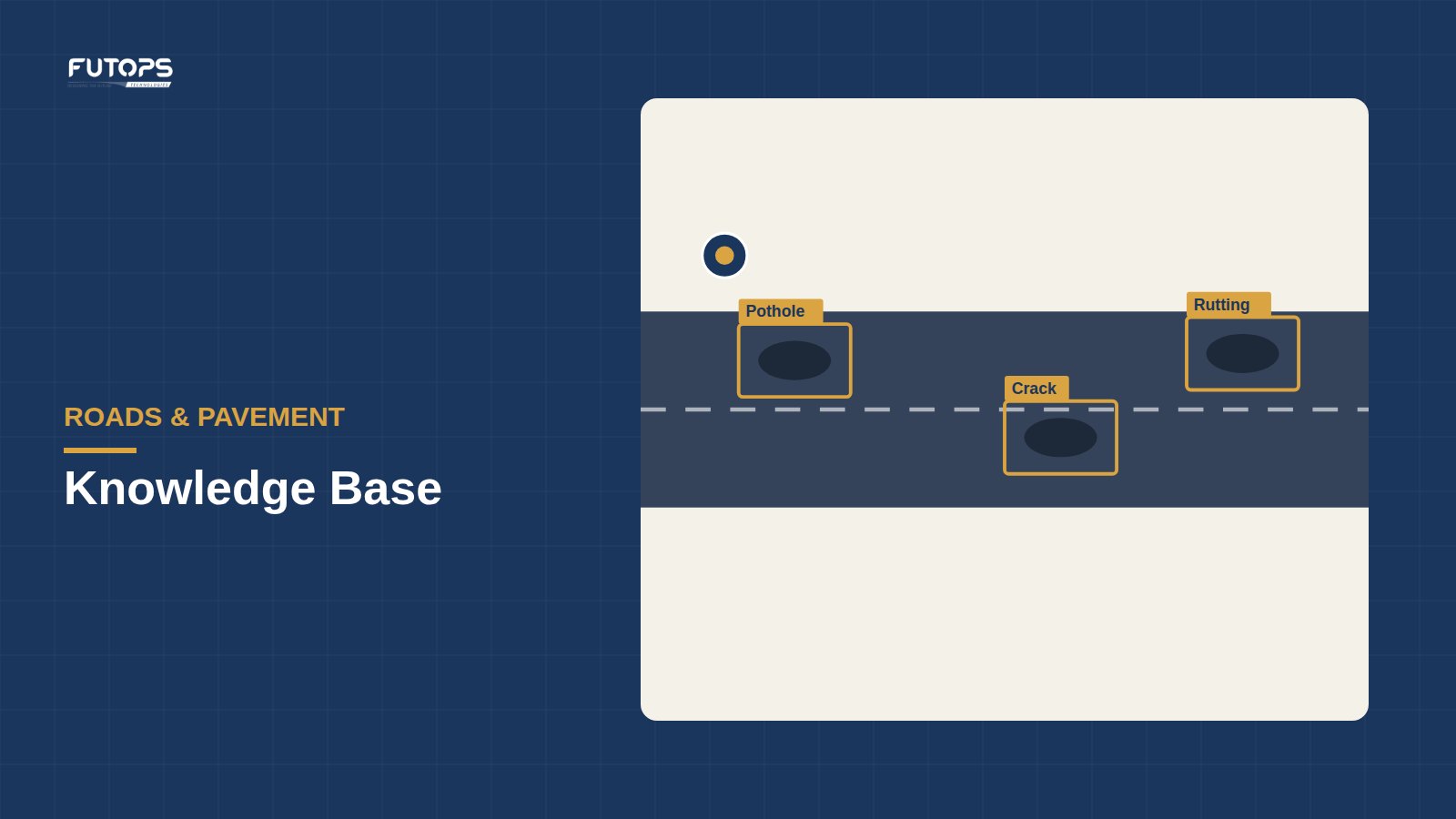
- IRC:82 — Code of Practice for Maintenance of Bituminous Road Surfaces. Catalogues pavement distress (surface defects; cracking; deformation such as rutting; and disintegration such as ravelling and potholes), grades each by severity, and links them to maintenance treatments.
- IRC:SP:88 — Manual on Road Safety Audit (2019). Sets out road safety audits across five stages (feasibility or preliminary design, detailed design, construction, pre-opening, and existing roads), carried out by a qualified audit team that is independent of the design.
A useful distinction: a statutory road safety audit under IRC:SP:88 needs that qualified, independent team, and an AI-based continuous survey does not replace it. What AI survey can do is apply the same distress categories and severity logic far more often than a periodic audit cycle allows. That gives authorities IRC-aligned (self-declared) condition data between formal audits, and a better-prepared evidence base when an audit takes place.
Official copies of IRC publications are available from the Indian Roads Congress.