Benefits of Smart Traffic Management for Cities & Highways
The five core benefits of AI-based traffic management over manual, periodic approaches.
The case for AI-based traffic management over manual, periodic approaches rests on five consistent advantages:
Continuous coverage. Manual monitoring means someone is watching some of the time, at some locations. AI-based systems watch continuously, everywhere they’re deployed — the gap between “we have cameras” and “we actually know what’s happening” closes.
Consistent, objective detection. A manual inspector’s judgment varies — by fatigue, by experience, by the hour of the shift. An AI model applies the same criteria every time, to every vehicle, at every location, removing inspector-to-inspector variance from the data.
Faster response. Incidents and violations get detected the moment they happen, not whenever someone happens to notice or review footage after the fact.
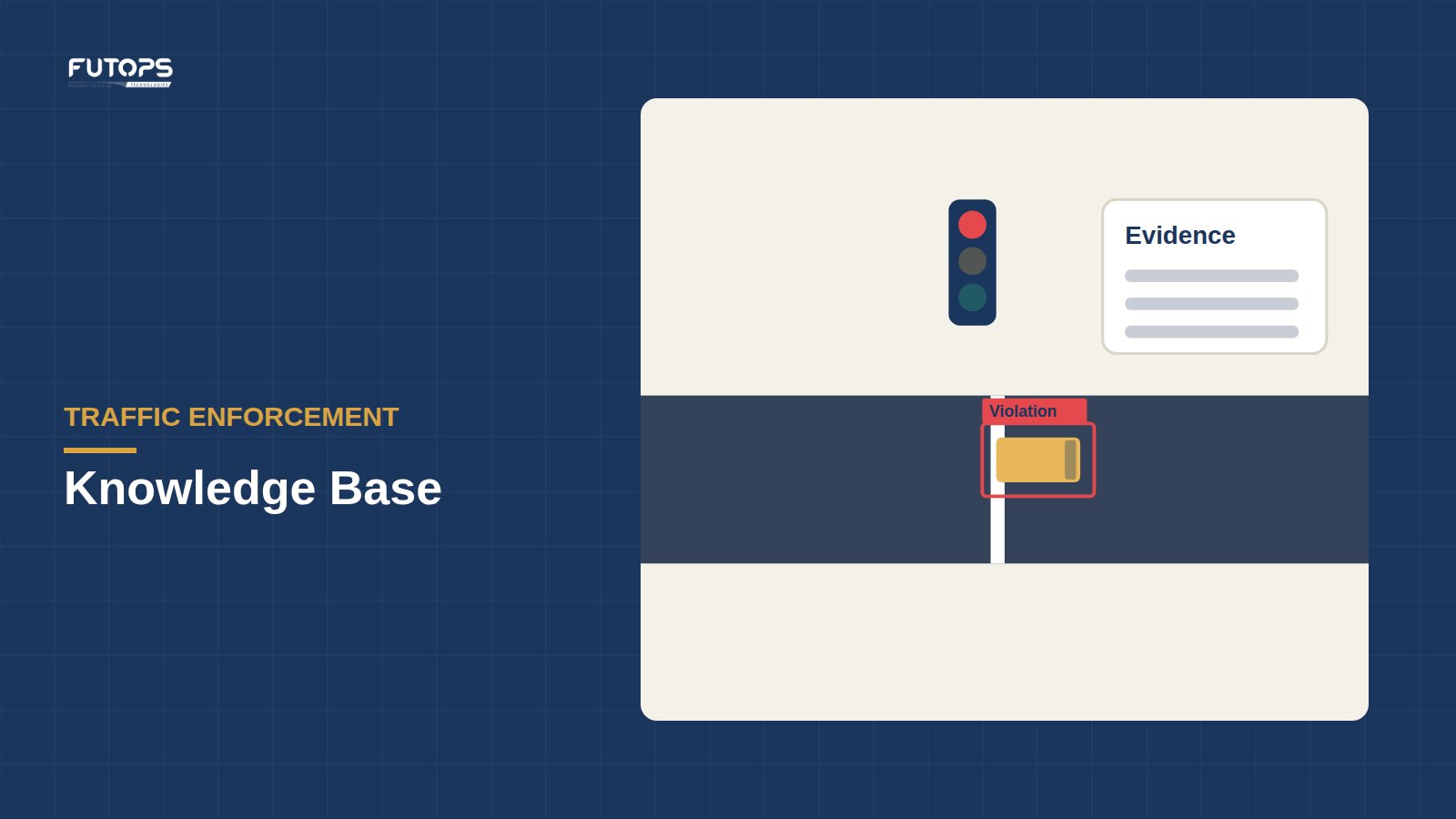
Evidence-backed enforcement. Every detection comes with photographic, geo-tagged, timestamped evidence — the kind of record that holds up when a violation or finding is disputed.
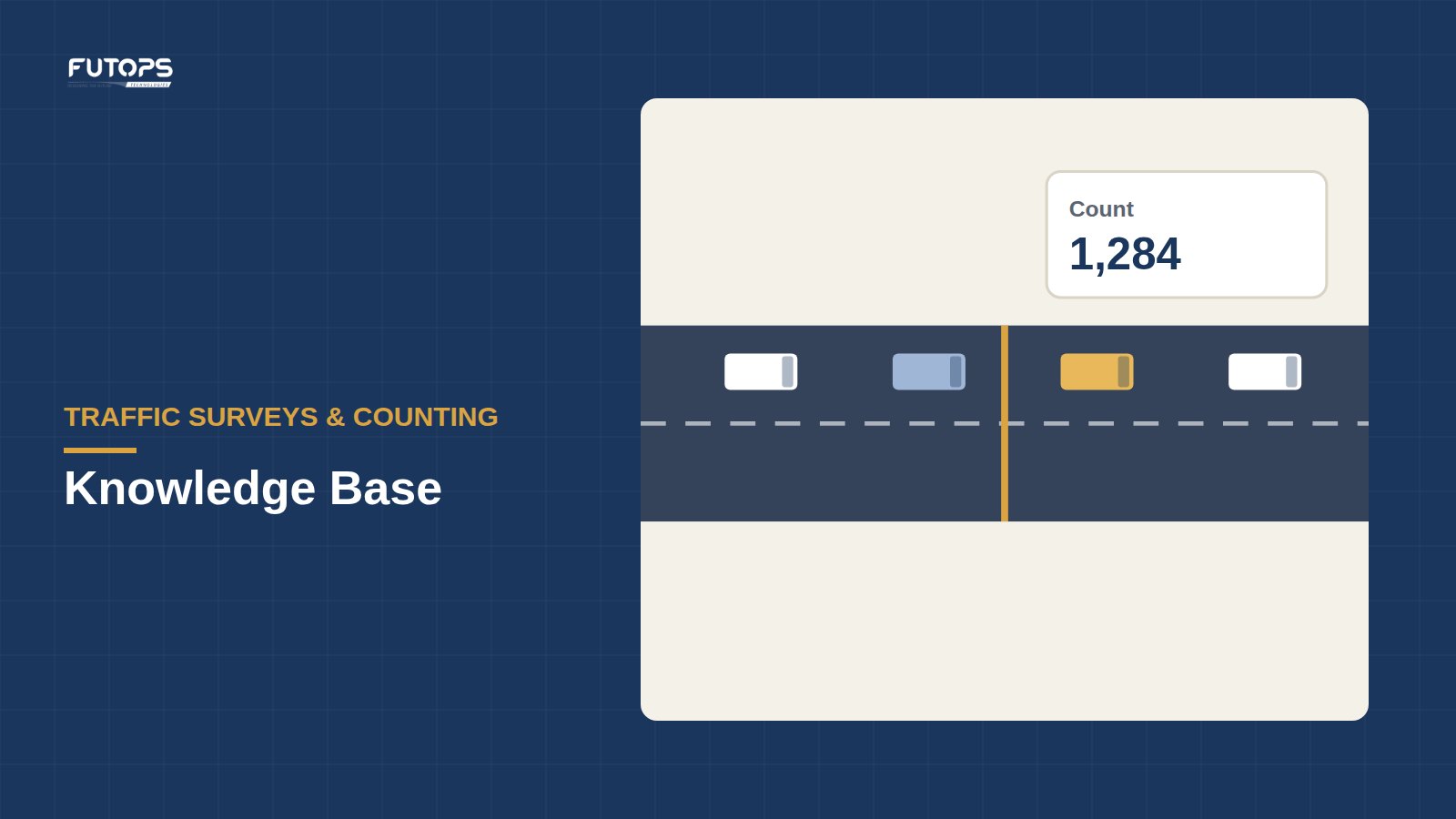
Better planning data. Because counts and surveys can run more often and more completely, planning decisions get made on current, comprehensive data rather than an outdated one-time study from years ago.
For cities and highway authorities managing growing traffic volumes with fixed staff and budgets, the practical outcome is doing more with the infrastructure already in place — existing cameras, not new hardware — rather than trying to scale headcount to match growing demand.