Core Components of a Modern Traffic Management Platform
The five functional areas of a modern traffic management platform, and why one engine beats five vendors.
A complete traffic management platform typically covers five functional areas, each answering a different operational question:
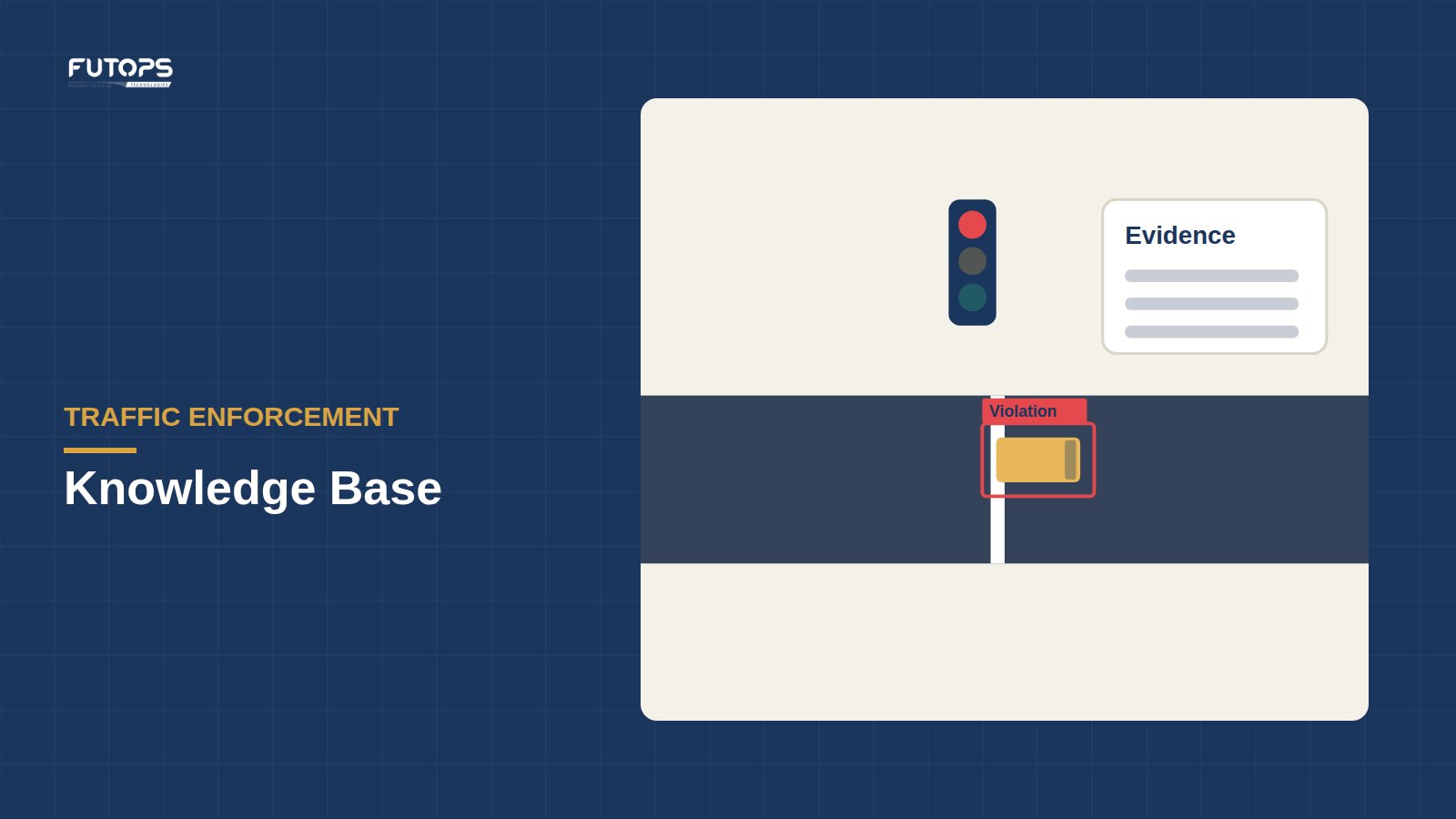
- Enforcement — is a rule being violated right now, and can we prove it? (red-light running, speeding, illegal maneuvers)
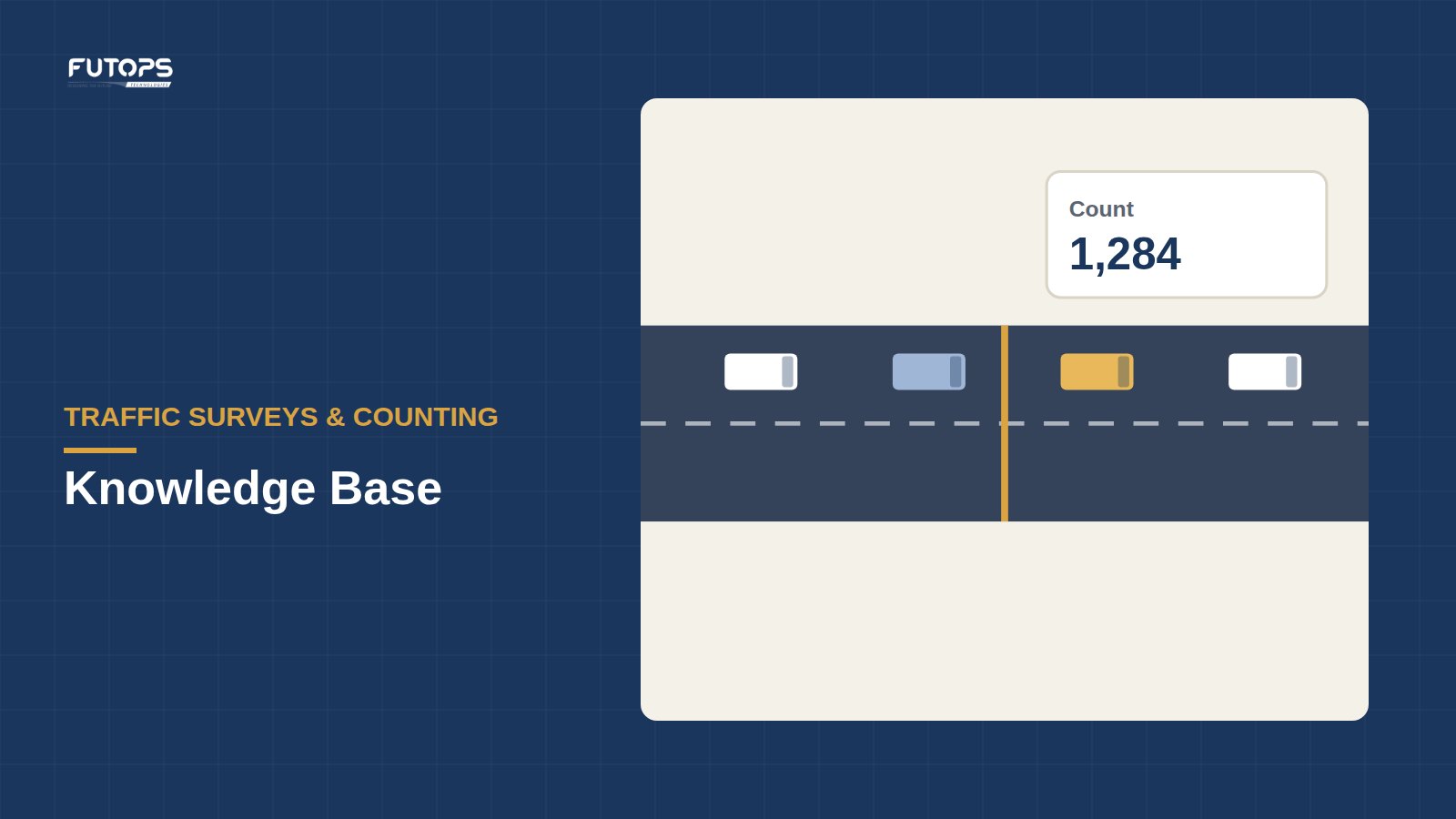
- Counting and classification — how much traffic, and what kind, is actually using this road? (continuous monitoring for capacity and planning)
- Survey and planning data — what does the network need, based on structured studies rather than assumption? (volume counts, turning movements, OD studies)
- Signal control — how do we optimize flow through junctions and corridors in real time?
- Incident detection — is something happening right now that needs an immediate response? (accidents, stalled vehicles, hazards)
The traditional approach treats each of these as a separate system, from a separate vendor, with a separate integration project. That works, but it multiplies cost, integration complexity, and — critically — creates five disconnected datasets instead of one coherent view of the network.
An AI-native platform running on a common underlying engine handles all five from the same camera infrastructure. The practical benefit isn’t just cost savings on hardware — it’s that a single operations team gets one dashboard, one data format, and one vendor relationship, instead of stitching together five.