
Pothole Detection AI: From Manual Surveys to Automated Assessment
Compare AI-based pothole detection to manual road surveys on accuracy, consistency, and frequency of coverage.
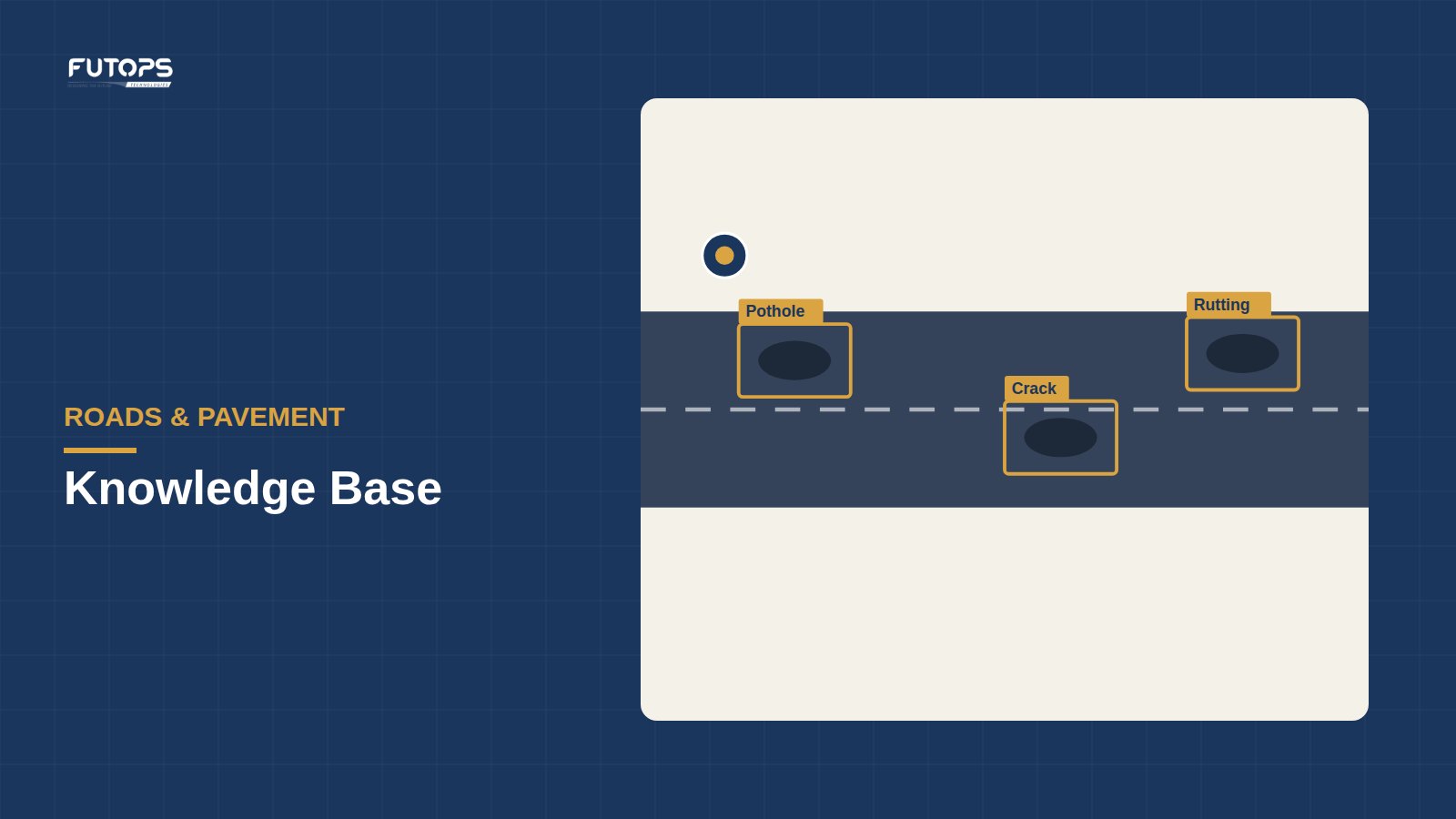
Manual road surveys have an honest limitation: they’re only as good as how much road an inspection team can physically cover, and how consistently different inspectors classify the same defect. A pothole one engineer calls “moderate” might be “severe” to another — and neither survey happens often enough to catch deterioration early.
Automated pothole detection using computer vision removes both problems. Every frame of survey footage gets analyzed the same way, every time, by the same model — no inconsistency between inspectors, no coverage gaps from limited manpower. The comparison isn’t close on either accuracy or frequency: automated assessment can run as often as a survey vehicle can drive the network, versus periodic manual cycles that might happen once or twice a year.
That doesn’t mean manual inspection disappears entirely — it remains useful for verifying specific defects flagged by the AI, or areas requiring engineering judgment automated detection isn’t designed for. But as a first-pass, network-wide assessment tool, automated detection covers more ground, more consistently, more often.